Wazuh SOC Project
A defensive SOC project built with Wazuh, pfSense, threat intelligence, active response, and Shuffle automation. The project helped me practice how alerts move from log collection to triage, enrichment, and response.
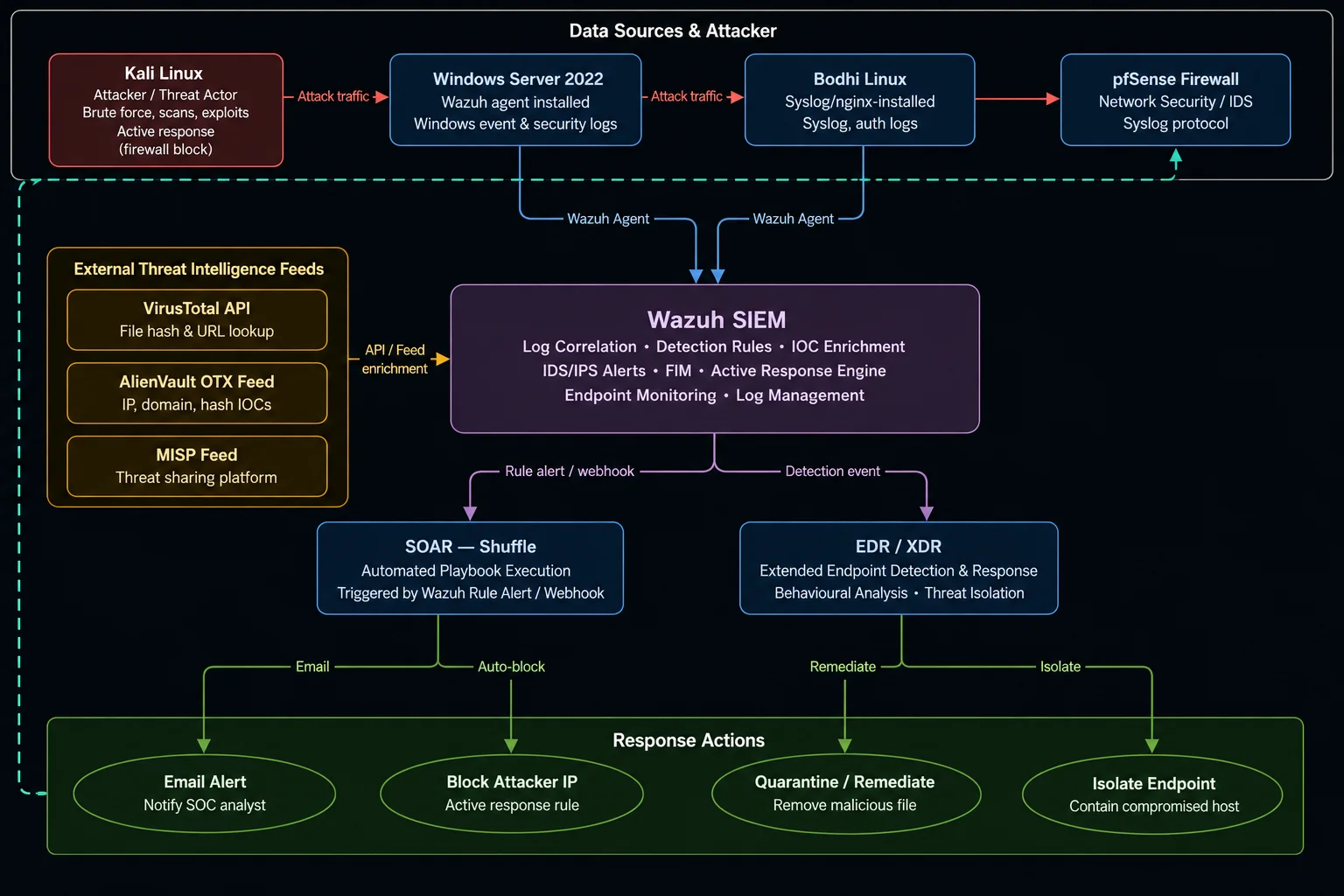
Overview
This page is a shorter project summary of the full Wazuh SOC blog post. I kept the main setup, the important tests, and the screenshots that show the lab working. The full blog post has the longer notes and step details.
Lab idea
This project was a small SOC style lab built for defensive security practice. The goal was to connect logs, alerts, threat intelligence, active response, and simple SOAR automation in one working lab instead of only reading about them.
Main setup
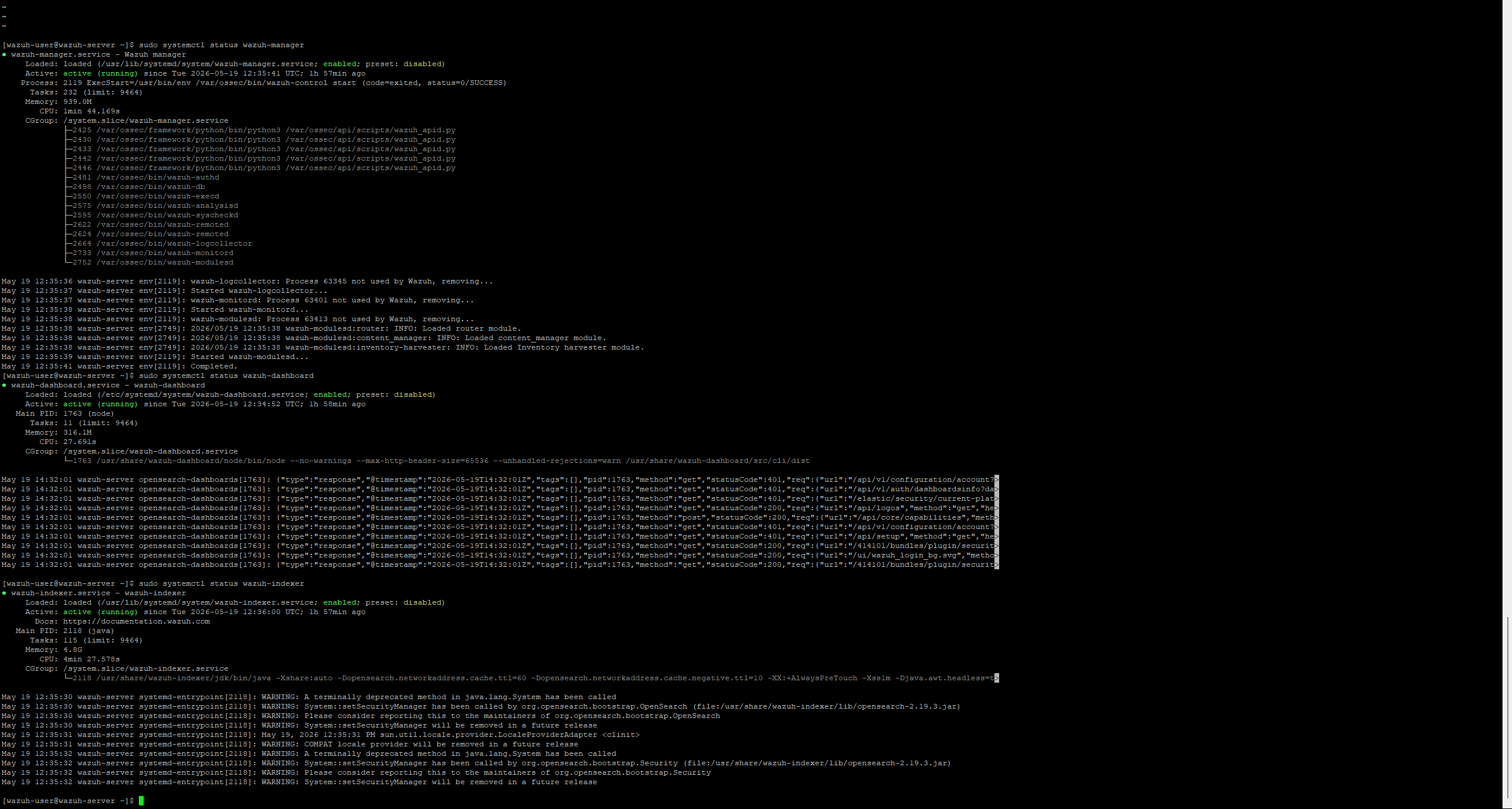
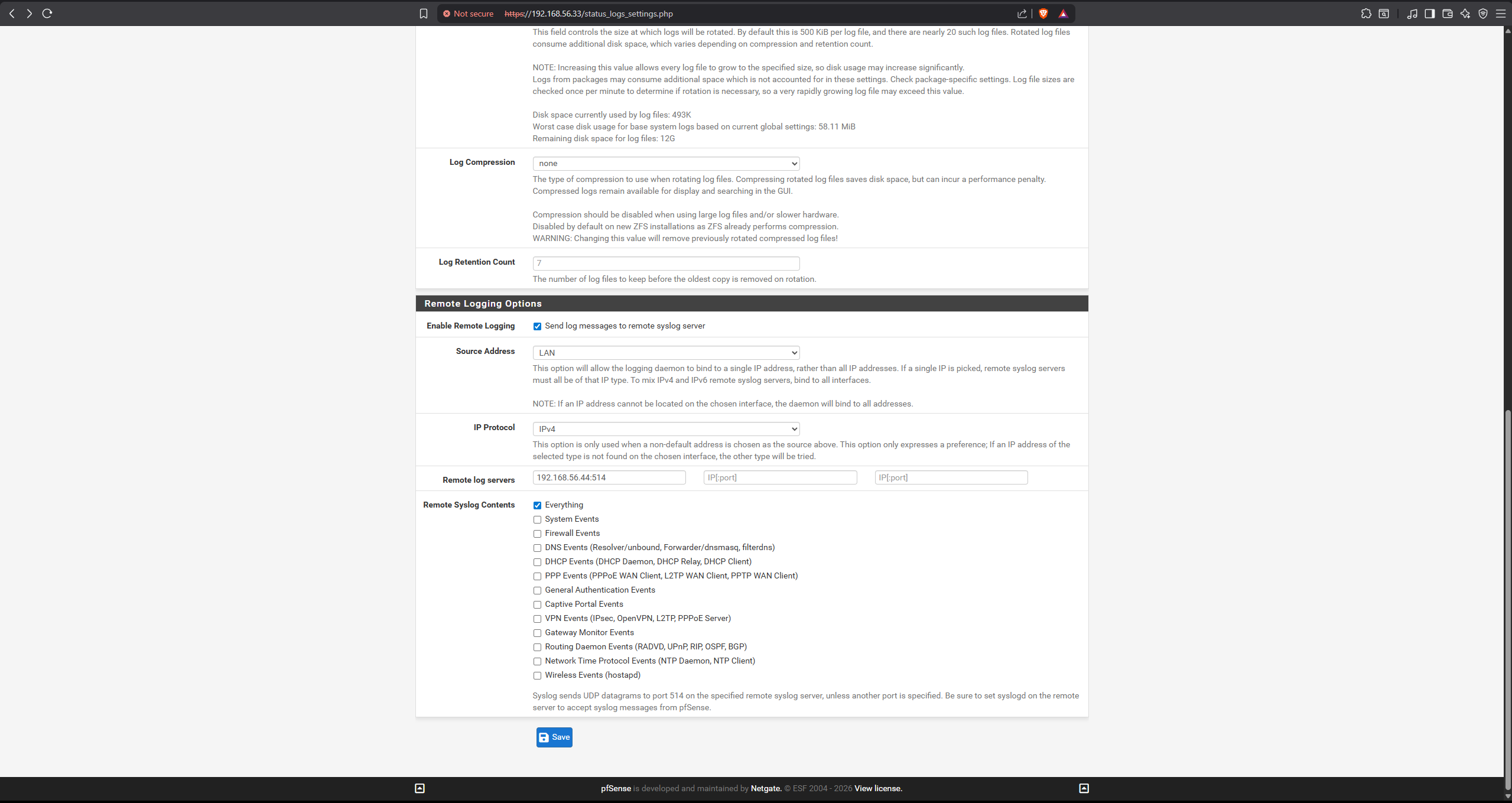
Wazuh was the main SIEM. Windows Server 2022 and Bodhi Linux were added as monitored endpoints, while pfSense sent firewall logs through remote syslog. Kali Linux was used as the attacker machine for safe testing inside the lab.

Threat intelligence
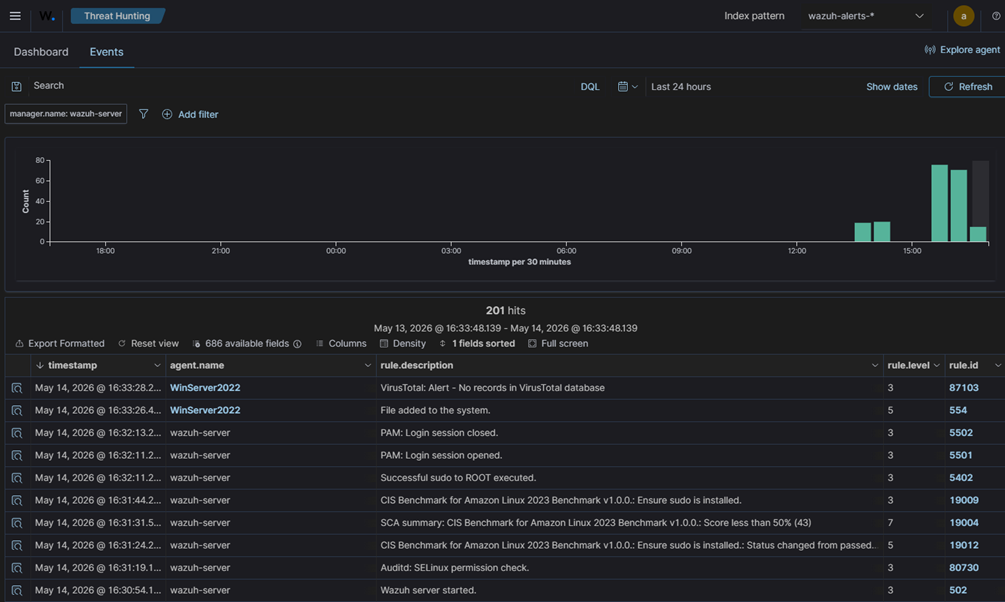
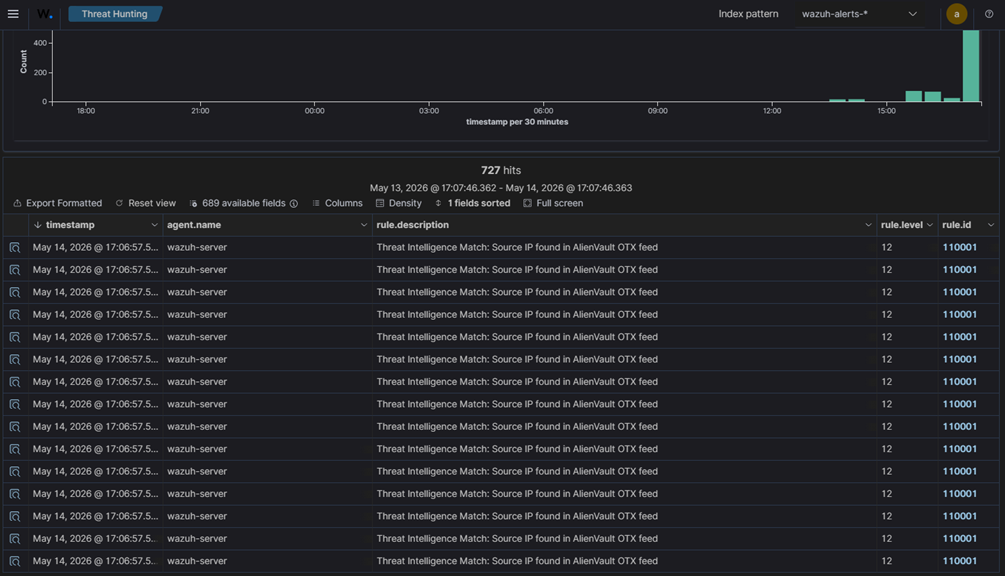
The lab used VirusTotal, AlienVault OTX, and MISP style IOC matching to add context to alerts. This made the alerts more useful because a file hash or IP address could be checked against an outside source or a known IOC list.
Detection and active response
I tested the lab with SSH brute force, Windows account creation, and SQL injection traffic. Wazuh detected the activity and active response handled some cases, like blocking an attacker IP or disabling a suspicious Windows account.



Shuffle automation
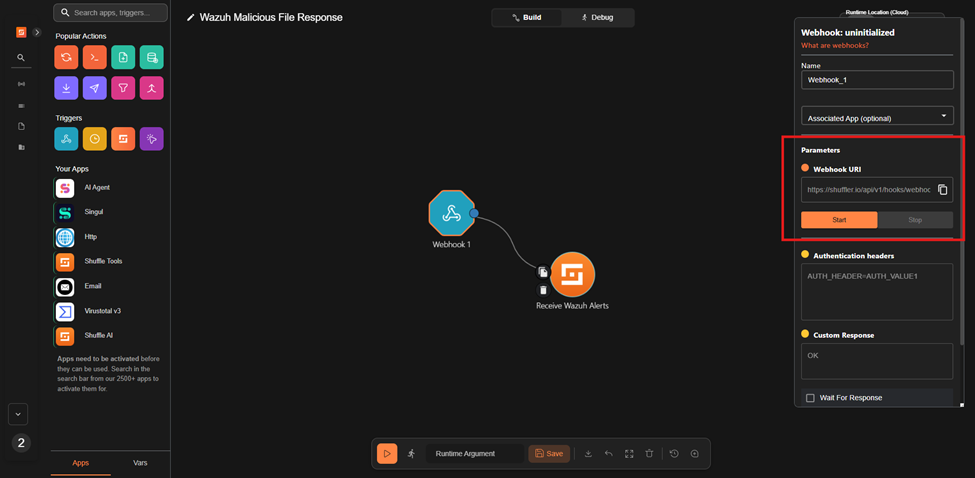
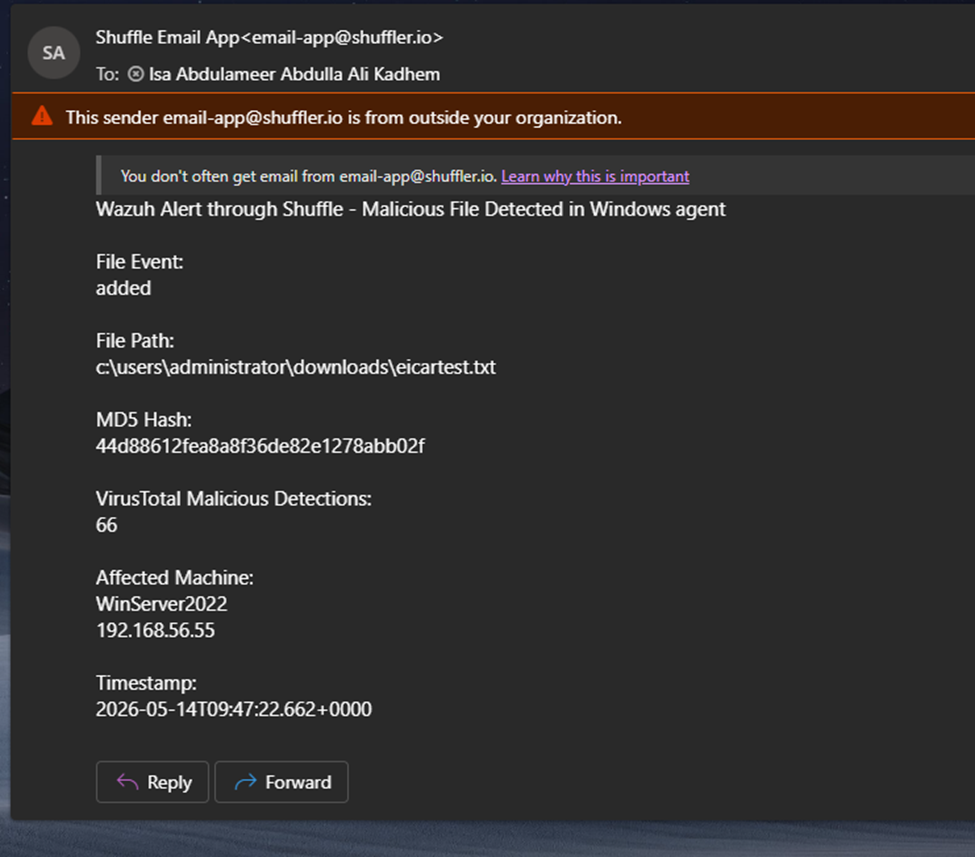
Shuffle was used as the SOAR part of the lab. It received Wazuh alerts through a webhook, checked a file hash with VirusTotal, then sent an email alert when the workflow condition matched.
What I learned
The main lesson was that defensive work depends on clean setup and testing. If the log source, rule, webhook, or active response path is wrong, the lab does not behave as expected. It also showed me how useful automation can be when it is tested carefully before being trusted.